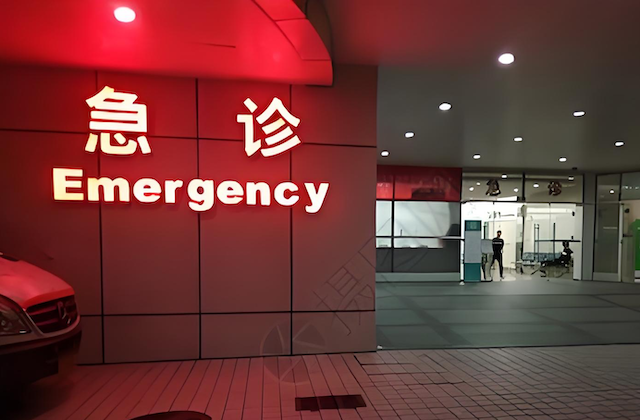
Emergency Medical Guide for Travelers in China
Disclaimer: This content is for general information only and does not provide medical advice. In case of a medical emergency, call 120 immediately. Hospital procedures, payment policies, and available services vary by location. Always follow the instructions of emergency dispatchers and medical professionals.
Introduction
Medical emergencies are stressful anywhere, but being in a foreign country can add confusion and anxiety. This guide explains how emergency services work in China, what to expect when you call for help, and how to prepare so you can act quickly and calmly if the need arises.
A. Emergency Services in China
Key Emergency Numbers
| Service | Number | Notes |
|---|---|---|
| Medical Emergency (Ambulance) | 120 | 24/7 nationwide. Dispatchers may not speak English. |
| Police | 110 | For security emergencies or if you need help locating services. |
| Fire | 119 | For fire-related emergencies. |
| Directory Assistance | 114 | Can help you find hospital contact information. |
Important:
- 120 is the primary number for medical emergencies. If you are unsure who to call, start here.
- Emergency services are available 24 hours a day, 7 days a week throughout China.
- Operators may not speak English. If you don't speak Chinese, try to have someone who does help you, or clearly state your location and "help" in English—they may transfer you to someone who can assist.
B. What to Do in a Medical Emergency
Step-by-Step Guide
1. Look for Chinese Speakers Around You for Help
- If you are in a public place or residential area, quickly look for someone who can help translate or communicate with emergency services.
- Approach a nearby shop, hotel, office, or any passerby. Say "Help" and "120" while pointing to the person who needs medical attention.
- Chinese people are generally willing to assist in emergencies, especially if they understand someone needs medical help.
- If you are in a hotel, immediately contact the front desk—they are trained to handle emergencies and can call 120 for you.
2. Call 120 Immediately
- Do not wait. It is better to call and cancel later than to delay.
- If you are with someone who needs urgent attention, call while others provide basic first aid.
- If you cannot speak Chinese and cannot find someone to help immediately, dial 120 anyway and clearly state "Help" and your location in English. The dispatcher may transfer you to someone who speaks English.
3. Provide Clear Information
- Your location: Be as specific as possible. Street address, building name, floor, landmark. If you are using a mobile phone, GPS coordinates may be available.
- What happened: Briefly describe the situation (e.g., "car accident," "person collapsed," "difficulty breathing").
- Who is affected: Approximate age, gender, and any obvious conditions (e.g., "elderly man, unconscious").
- Your contact number: In case the dispatcher needs to call you back.
4. Follow the Dispatcher's Instructions
- They may give you basic first aid instructions while waiting for the ambulance.
- If they ask you to move the person, only do so if there is immediate danger (fire, explosion risk, etc.).
5. Wait for the Ambulance
- If possible, send someone to the street to guide the ambulance to your exact location.
- Have your passport and any medical insurance documents ready.
- If you have known medical conditions or allergies, inform the emergency team immediately.
C. What Happens When You Call 120
Ambulance Services in China
- Response Time: Varies by city and traffic. In major cities, ambulances often arrive within 10–15 minutes in urgent cases.
- What to Expect: The ambulance will have paramedics trained in basic and advanced life support. They will assess the patient and provide initial treatment on scene.
- Language: Paramedics are unlikely to speak fluent English. If you have language concerns, try to have a translator available by phone or in person.
- Destination: The ambulance will take the patient to the nearest appropriate hospital with emergency capabilities. You may not get to choose the hospital in a life-threatening situation.
- Cost: Ambulance services are not free. You will be asked to pay for the transport and any treatment provided. Fees vary by city and distance. Have payment ready if possible, but emergency care will not be withheld if you cannot pay immediately.
D. Emergency Departments in Chinese Hospitals
How Emergency Rooms Work
- 24/7 Availability: Major hospitals have emergency departments (急诊科, jízhěn kē) open around the clock.
- No Appointment Needed: You can walk in directly. In fact, for true emergencies, going to the ER yourself may be faster than waiting for an ambulance if you are near a hospital.
- Triage System: When you arrive, a nurse will assess your condition. Critical patients are seen first. If your case is not urgent, you may have to wait.
What to Bring to the ER
| Item | Why It's Important |
|---|---|
| Passport | Required for registration and identification. |
| Health insurance card / documents | If you have international insurance, bring your card and claim forms. |
| Payment method | Cash or a payment card (Chinese bank card or international card accepted at some hospitals). |
| List of medications | Current medications, dosages, and any allergies. |
| Medical history summary | Brief summary of relevant conditions (in English or Chinese if possible). |
| Emergency contact information | Name and phone number of someone to contact. |
Payment at the ER
- Upfront Payment Is Common: Many hospitals require a deposit or upfront payment for emergency services, especially for foreign patients.
- Costs: Emergency visits include registration fees, doctor consultation fees, tests (blood work, X-rays, CT scans), and any procedures or medications.
- Insurance Reimbursement: If you pay upfront, keep all receipts and medical records for reimbursement from your insurance company later.
- Direct Billing: Some international hospitals and private clinics in major cities offer direct billing to international insurers. Check with your insurance provider and the hospital beforehand.
E. Common Emergency Scenarios and How to Handle Them
1. Sudden Illness (Chest Pain, Difficulty Breathing, Stroke Symptoms)
- Call 120 immediately.
- If the person is conscious, help them sit or lie in a comfortable position.
- Do not give them food or water unless instructed by a medical professional.
- Note the time symptoms started (important for stroke treatment).
2. Accidents and Injuries (Falls, Crashes, Cuts)
- If there is severe bleeding, apply direct pressure with a clean cloth.
- Do not move the person if you suspect a neck or spine injury.
- Call 120 and wait for trained paramedics.
3. Allergic Reaction (Anaphylaxis)
- If the person has an epinephrine auto-injector (EpiPen), help them use it immediately.
- Call 120 even if they seem to improve—reactions can recur.
- Lie the person flat and raise their legs if they feel faint.
4. Fire or Building Emergency
- Call 119 for fire.
- If trapped, signal for help from a window.
- Do not use elevators.
5. Need for Urgent But Not Life-Threatening Care
- If you need care quickly but it is not an emergency (e.g., high fever, bad cut that is not life-threatening), you can:
- Go directly to the emergency department of a nearby hospital.
- Visit an urgent care clinic or private hospital for faster service.
- Call 114 for directory assistance to find the nearest appropriate facility.
F. Preparing for Emergencies Before You Travel
Pre-Travel Checklist
| Task | Why It Matters |
|---|---|
| Save emergency numbers in your phone | Include 120, 110, 119, and your country's embassy/consulate number. |
| Know your accommodation address in Chinese | Write it down and keep it in your wallet. Show it to taxi drivers or emergency responders. |
| Carry a medical information card | Include blood type, allergies, chronic conditions, and emergency contact. Translate it into Chinese if possible. |
| Get travel medical insurance | Ensure it covers emergency treatment, hospitalization, and medical evacuation. |
| Keep digital and physical copies of documents | Passport, visa, insurance policy, medical records. |
| Learn basic medical phrases in Chinese | Simple words like "pain," "help," "hospital," and "allergy" can be lifesavers. |
G. After an Emergency: What to Do
Follow-Up Care
- If you were treated at an emergency department, you may be discharged with instructions for follow-up care.
- Ask for a discharge summary (出院小结, chūyuàn xiǎojié) in English if possible. This is important for insurance claims and future medical visits.
- If you need ongoing treatment, schedule follow-up appointments through the hospital's outpatient department or international department.
Insurance Claims
- Keep all receipts, prescriptions, and medical reports.
- Contact your insurance provider as soon as possible to report the claim.
- Some insurers have 24-hour hotlines for emergency assistance—call them while you are still at the hospital if possible.
Reporting to Your Embassy
- In case of serious incidents (assault, major accident), contact your country's embassy or consulate in China. They can provide consular assistance and help you navigate local procedures.
H. Special Considerations for Medical Travelers
If You Are in China for Planned Treatment
- Keep your hospital contact information easily accessible.
- Inform your primary hospital contact if you have an emergency—they may coordinate with the emergency team.
- Carry a copy of your treatment plan and medical history in Chinese.
If You Are Traveling with Caregivers
- Ensure caregivers also know emergency procedures.
- Caregivers should carry their own identification and a brief letter explaining their relationship to the patient.
Final Takeaway
Medical emergencies are unpredictable, but being prepared can make all the difference.
- Know the numbers: 120 for medical emergencies.
- Know your location: Have your address in Chinese ready.
- Carry essential documents: Passport, insurance, medical information.
- Prepare before you travel: Insurance, translations, emergency contacts.
- Stay calm and act quickly: In an emergency, every minute counts.
With the right preparation, you can handle an emergency in China with confidence and get the care you need.